

Top 10 Benefits of CNC Bending Machines in Metal Fabrication
Metal fabrication has transformed dramatically with the rise of automated technologies. Among these innovations, ESSELL CNC bending machines have become essential for manufacturers seeking precision, efficiency, and consistent quality. Whether you are producing industrial components, architectural fittings, or custom-designed parts, CNC bending machines provide unmatched advantages compared to manual bending methods.
Below are the top 10 benefits of CNC bending machines, and why industries trust them for high-quality metal fabrication.
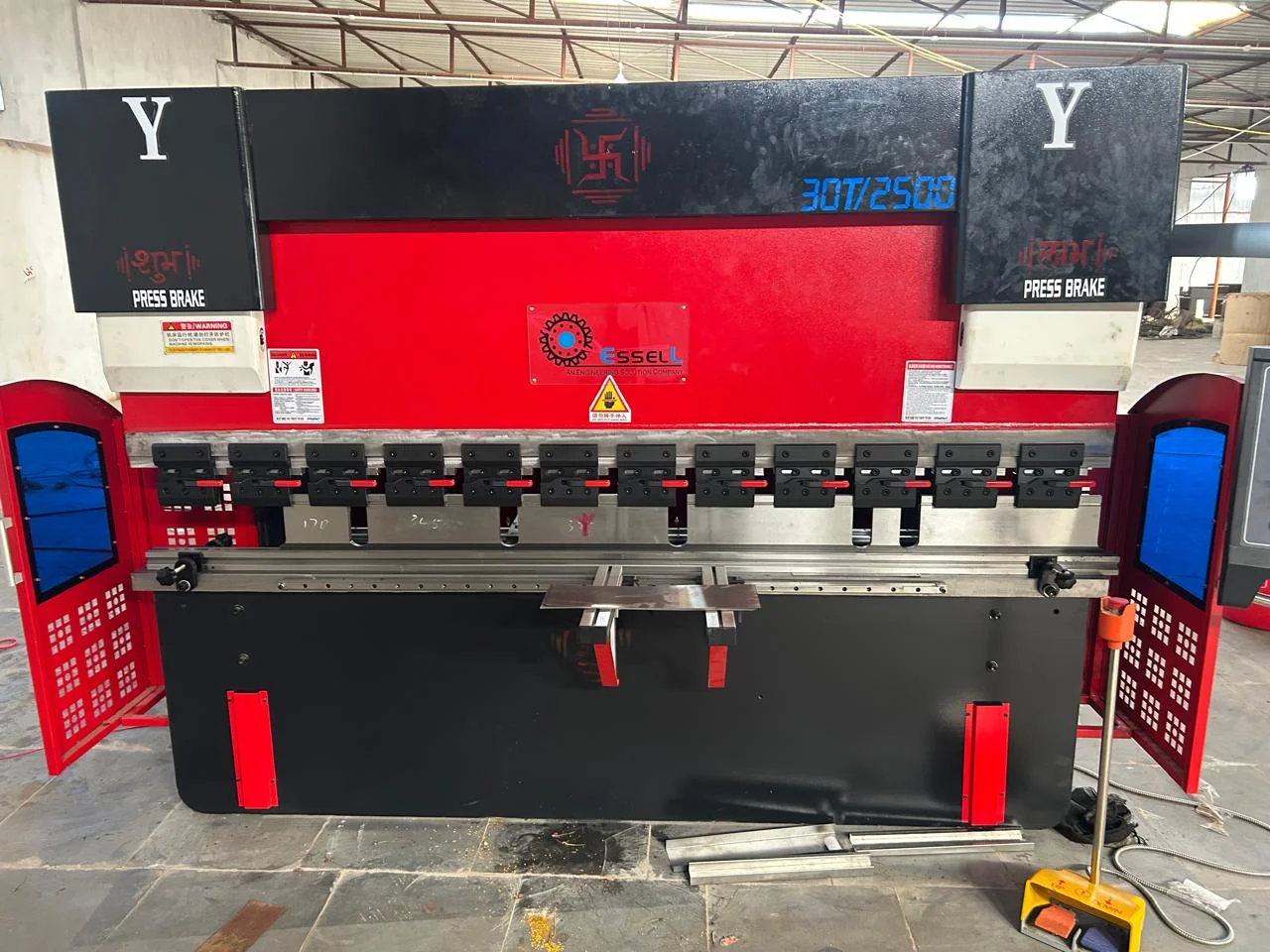
Top 10 Benefits of CNC Bending Machines in Metal Fabrication
1. Unmatched Bending Precision
CNC bending machines use computerized controls that follow exact programming.
This allows manufacturers to achieve high accuracy, reducing human error and ensuring every bend matches the required angle and shape.
Key advantage: Perfect repeatability across large-batch production.
2. Consistent, Repeatable Quality
Once a program is set, CNC bending machines can replicate the same bend thousands of times with no variations.
This repeatability is crucial for industries like automotive, aerospace, and construction where consistency is non-negotiable.
3. Faster Production Speed
CNC bending machines significantly speed up fabrication work.
Automated controls reduce setup time, and rapid bending actions complete complex jobs in minutes.
Result: Higher productivity and quicker delivery.
4. Reduced Material Waste
Precision programming minimizes mistakes, which means less scrap material.
CNC bending ensures every sheet or tube is bent correctly the first time, reducing costs and maximizing material utilization.

5. Cost-Effective Operation
Although a CNC bending machine is an investment, it quickly pays off by:
- Reducing manpower requirements
- Lowering material wastage
- Minimizing rework
- Increasing overall output
This makes CNC bending one of the most cost-efficient fabrication solutions.
6. Capability to Handle Complex Bends
Modern industries often require intricate shapes and multi-angle bends.
CNC bending machines can execute complex geometries with ease, something difficult and time-consuming with manual methods.
7. Enhanced Safety for Operators
Manual bending processes can expose workers to injuries.
CNC bending machines are designed with built-in safety features, automation, and protective systems, reducing the risk of accidents.
8. Versatility Across Materials
CNC bending machines work with a wide range of metals, including:
- Stainless steel
- Mild steel
- Aluminium
- Copper
- Brass
This versatility allows manufacturers to meet diverse industry requirements.
9. Lower Skill Dependency
Traditional bending requires highly skilled workers.
With CNC, operators only need to input programs and monitor the machine.
This reduces dependency on expert labor and ensures more consistent outcomes.
10. Seamless Integration With Digital Manufacturing
CNC bending machines support CAD/CAM integration, which enables:
- Direct import of digital designs
- Faster prototyping
- Improved accuracy between design and final output
This makes CNC bending ideal for modern smart manufacturing environments.
Conclusion
CNC bending machines are transforming the metal fabrication industry through their precision, speed, and cost-effectiveness. For companies looking to improve quality, reduce errors, and increase productivity, CNC bending is no longer a luxury—it’s a necessity.
At Essell, we specialize in advanced fabrication technologies that deliver superior results for every project. CNC bending allows us to meet complex requirements while maintaining world-class quality standards.

FAQs
1. What is CNC bending in metal fabrication?
CNC bending is a computer-controlled process that bends metal sheets or tubes with high accuracy using pre-programmed instructions.
2. Why is CNC bending better than manual bending?
It offers improved precision, faster production, less waste, and consistent repeatability.
3. What materials can be bent using CNC machines?
Stainless steel, aluminium, mild steel, copper, and other alloys.
4. Does CNC bending reduce manufacturing costs?
Yes. It minimizes material waste and labor costs while increasing overall efficiency.
5. Can CNC bending handle complex shapes?
Absolutely. CNC machines are designed to perform multi-angle and intricate bends with high precision.