

Best Practices for Ensuring Safety During Laser Cutting Operations
Laser cutting has become a cornerstone of modern manufacturing due to its precision, speed, and versatility. From metal fabrication to electronics and automotive components, laser cutting delivers unmatched accuracy. However, with great power comes significant responsibility. Laser cutting systems pose serious safety risks if not handled correctly, including burns, fires, toxic fumes, and eye injuries.
To maintain a safe and productive work environment, it is essential to follow proven safety practices. This guide outlines the best practices for ensuring safety during laser cutting operations, helping businesses protect workers, equipment, and facilities.
Understanding Laser Cutting Hazards
Before implementing safety measures, it’s important to understand the potential hazards associated with laser cutting operations.
Laser cutters generate intense heat capable of cutting through thick materials. Direct exposure to the laser beam can cause severe burns and permanent eye damage. Additionally, the process produces fumes, sparks, and molten material, which can lead to fires or respiratory issues if not properly controlled.
Recognizing these risks is the first step toward creating a safer workplace.
Proper Training and Certification
One of the most effective safety measures is comprehensive operator training. Every individual operating or maintaining laser cutting equipment should be properly trained and, where applicable, certified.
Training should cover:
- Machine operation and emergency shutdown procedures
- Material-specific cutting risks
- Fire prevention and response
- Proper use of personal protective equipment
Well-trained operators are less likely to make costly mistakes and more likely to identify potential hazards before they escalate.
Use Appropriate Personal Protective Equipment (PPE)
Personal protective equipment is non-negotiable in laser cutting environments. Operators and nearby personnel should always wear PPE suited to the specific laser system and materials being processed.
Essential PPE includes:
- Laser safety goggles rated for the specific laser wavelength
- Heat-resistant gloves to handle materials
- Flame-resistant workwear that minimizes skin exposure to hot particles and cutting residue
- Approved breathing protection to prevent inhalation of hazardous smoke and particles released during certain cutting processes
Using the correct PPE significantly reduces the risk of injury during daily operations.

Maintain Effective Ventilation and Fume Extraction
Laser cutting produces fumes and airborne particles that can be hazardous when inhaled. Materials like plastics, composites, and coated metals may release toxic gases if not properly ventilated.
To ensure safety:
- Install high-quality fume extraction systems
- Regularly inspect and clean filters
- Ensure airflow meets safety standards
Proper ventilation not only protects worker health but also improves visibility and machine performance.
Implement Fire Prevention Measures
Fire hazards are a major concern in laser cutting operations due to high temperatures and flammable materials. Implementing strict fire prevention protocols is essential.
Best practices include:
- Never leaving laser cutters unattended during operation
- Keeping fire extinguishers accessible and inspected
- Removing flammable debris from cutting areas
- Using fire-resistant cutting beds and enclosures
A proactive approach to fire safety can prevent catastrophic damage and downtime.
Regular Equipment Maintenance and Inspection
Routine maintenance is critical for both safety and efficiency. Poorly maintained equipment increases the likelihood of malfunctions, overheating, and unexpected failures.
Maintenance best practices:
- Follow manufacturer-recommended service schedules
- Inspect optics, lenses, and mirrors regularly
- Check electrical components and cooling systems
- Replace worn or damaged parts immediately
Consistent maintenance ensures stable performance and minimizes safety risks.
Use Proper Machine Guarding and Enclosures
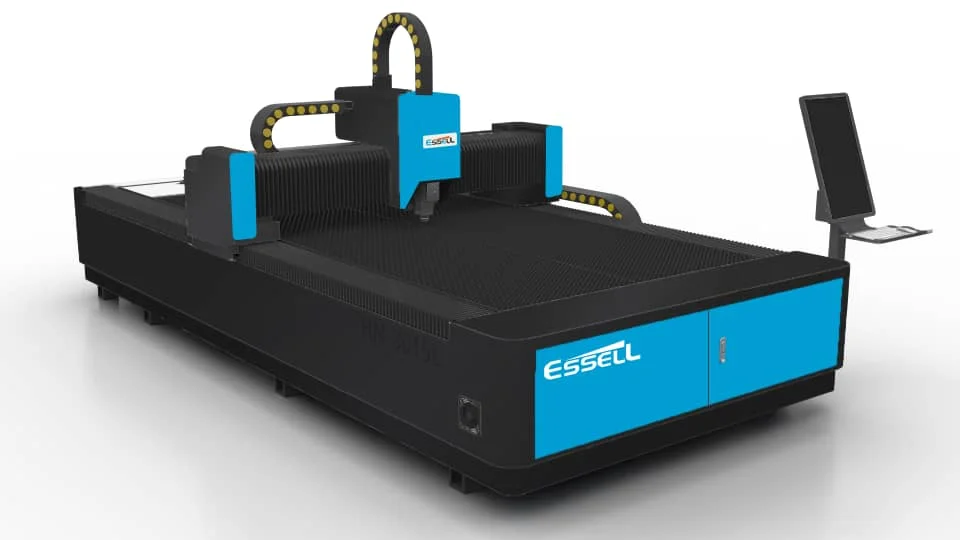
Laser cutting machines should always be equipped with proper guarding and protective enclosures. These barriers prevent accidental exposure to laser radiation and flying debris.
Safety enclosures should:
- Be interlocked to stop the laser when opened
- Block harmful laser emissions
- Remain intact and undamaged
Never bypass safety interlocks or remove guards, even for quick tasks.
Material Handling and Storage Safety
Improper material handling can create unexpected hazards. Sharp edges, heavy sheets, or combustible materials must be managed carefully.
Key material safety tips:
- Store materials away from laser paths
- Clearly label hazardous materials
- Use mechanical aids for heavy loads
- Ensure materials are compatible with laser cutting
Understanding how materials react under laser heat is essential for safe operations.
Establish Clear Safety Protocols and Signage
Clear safety protocols help create a culture of awareness and responsibility. Written procedures should be easily accessible and regularly updated.
Effective safety management includes:
- Posting warning signs around laser areas
- Defining restricted zones
- Conducting routine safety audits
- Encouraging incident reporting
When safety becomes part of daily workflow, accidents are far less likely.
Emergency Preparedness and Response Planning
Despite best efforts, emergencies can still occur. Having a clear response plan ensures quick and effective action when needed.
Emergency readiness should include:
- Clearly marked emergency stop buttons
- Fire evacuation routes
- First aid kits and trained responders
- Regular emergency drills
Preparedness saves lives and limits damage during critical moments.
Conclusion
Laser cutting technology offers remarkable benefits, but safety must always come first. By understanding hazards, investing in proper training, using appropriate PPE, maintaining equipment, and enforcing strict safety protocols, businesses can create a secure and efficient working environment.
Following these best practices for ensuring safety during laser cutting operations not only protects employees but also enhances productivity, reduces downtime, and safeguards valuable equipment. A strong safety culture is an investment that pays long-term dividends for any laser cutting facility.