
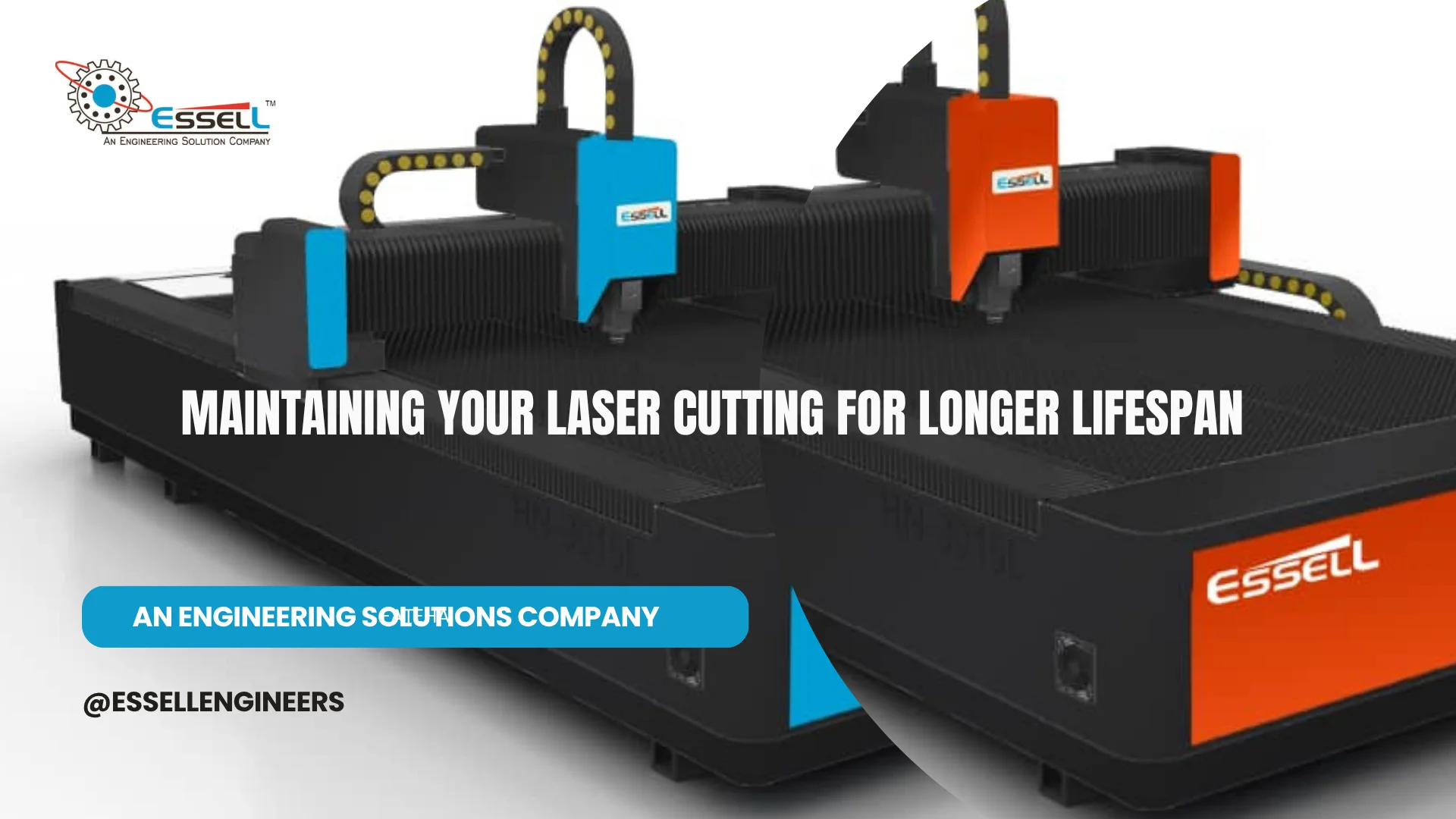
Maintaining Your Laser Cutting for Longer Lifespan
A laser cutting machine is more than a production asset—it is a long-term investment that directly influences manufacturing efficiency, product quality, and business profitability. While advanced engineering contributes to machine performance, the way equipment is maintained has an equally important impact on its service life.
Many businesses concentrate on production targets but overlook routine maintenance until performance begins to decline. By that stage, minor issues may have developed into costly repairs or unexpected production interruptions.
A structured maintenance program helps manufacturers protect their investment, improve equipment reliability, and support consistent production for many years. This guide explains practical maintenance strategies that contribute to the long-term performance of industrial laser cutting machines.
Maintenance Should Be Part of Production Planning
Maintenance should not be viewed as an activity performed only when a problem occurs. Instead, it should become a planned part of everyday manufacturing operations.
Allocating dedicated maintenance time allows potential issues to be identified before they affect production schedules. This proactive approach helps businesses avoid emergency repairs and supports smoother workflow management.
Create a Daily Machine Inspection Routine
Short inspections performed before production begins can prevent many common operating issues.
Operators should verify:
- machine condition
- cable connections
- protective covers
- compressed air supply
- cooling system status
- control panel indicators
A few minutes of inspection each day often prevents much larger maintenance requirements later.
Maintain a Clean Working Environment
Dust, metallic particles, and production debris gradually accumulate around industrial equipment.
Keeping the surrounding work area clean helps reduce contamination that may affect moving assemblies, cooling efficiency, and overall machine performance.
A well-maintained workspace also improves operator safety and simplifies routine servicing activities.
Monitor the Cooling System Regularly
Temperature stability plays an important role in maintaining reliable laser operation.
Cooling equipment should be inspected according to the manufacturer’s maintenance recommendations.
Regular attention to cooling performance helps maintain consistent operating conditions during extended production cycles.
Any unusual temperature variation should be investigated promptly to prevent unnecessary stress on critical machine components.
Inspect Optical Components Carefully
Laser performance depends on maintaining clean and properly functioning optical elements.
Routine inspection allows operators to identify contamination, wear, or damage before processing quality begins to decline.
Optical components should always be handled according to recommended maintenance procedures using appropriate cleaning materials.
Careful handling helps preserve cutting accuracy and supports consistent processing performance.
Protect Motion Systems from Excessive Wear
The movement of the cutting head depends on accurately functioning mechanical assemblies.
Guide systems, drive mechanisms, and moving components should receive scheduled inspection to ensure smooth operation throughout production.
Early identification of abnormal movement helps prevent unnecessary mechanical deterioration.
Use Quality Consumables
Machine performance depends not only on the equipment itself but also on the quality of the consumables used during production.
Selecting components that meet the machine’s technical requirements contributes to:
- stable operation
- improved cutting consistency
- reduced component wear
- dependable manufacturing performance
Using unsuitable consumables may reduce efficiency and increase maintenance frequency.

Keep Software and Machine Parameters Organized
Modern laser cutting systems rely on digital controls to achieve accurate production.
Maintaining organized machine programs, parameter libraries, and software updates helps reduce programming errors while improving production consistency.
Documented operating procedures also simplify operator training and repeat manufacturing jobs.
Train Operators Beyond Basic Machine Operation
Well-trained operators contribute significantly to machine longevity.
Training should include:
- proper startup procedures
- safe shutdown practices
- daily inspections
- routine cleaning
- recognizing unusual machine behavior
- reporting maintenance concerns promptly
Knowledgeable operators often detect developing issues before they become serious equipment failures.
Record Every Maintenance Activity
A maintenance history provides valuable information about machine performance over time.
Maintenance records should include:
- inspection dates
- replaced components
- servicing activities
- operating observations
- corrective actions
These records assist maintenance teams in identifying recurring trends and planning future servicing requirements.
Respond Quickly to Performance Changes
Machines often provide early warning signs before a significant failure occurs.
Examples include:
- unusual operating sounds
- inconsistent cutting quality
- unexpected alarms
- increased vibration
- irregular machine movement
Prompt investigation helps prevent minor issues from developing into major repairs.
Plan Preventive Maintenance Instead of Emergency Repairs
Unexpected downtime can interrupt production schedules and increase operating costs.
Preventive maintenance allows businesses to service equipment during planned intervals rather than reacting after failures occur.
This strategy contributes to:
- improved equipment availability
- better production planning
- reduced repair costs
- greater operational confidence
Prepare for Long-Term Equipment Ownership
Every industrial machine represents a long-term asset.
Businesses that consistently follow structured maintenance practices often experience:
- extended machine service life
- dependable production performance
- improved operational stability
- lower unexpected repair frequency
- stronger return on investment
Maintaining equipment properly is one of the most effective ways to protect manufacturing productivity.
Why Manufacturers Trust Essell
At Essell, customer support continues well beyond machine installation. The company believes that reliable production depends on both advanced engineering and responsible equipment care.
Essell supports manufacturers through:
- precision-engineered laser cutting machines
- application-focused technical guidance
- operator training assistance
- preventive maintenance recommendations
- responsive after-sales support
- long-term service partnerships
By helping customers establish effective maintenance practices, Essell enables businesses to maximize equipment performance throughout its operational life.
Conclusion
A laser cutting machine delivers its greatest value when it remains reliable throughout years of production. Regular inspections, organized maintenance planning, operator awareness, and timely servicing all contribute to extending equipment lifespan while maintaining consistent manufacturing quality.
Rather than waiting for problems to occur, businesses should adopt preventive maintenance as an essential part of their production strategy. With advanced laser cutting solutions and ongoing technical support from Essell, manufacturers can protect their investment and build a more dependable, efficient, and sustainable manufacturing operation.