

Step-by-step: Setting up a metal laser cutter at your factory (2026 guide)
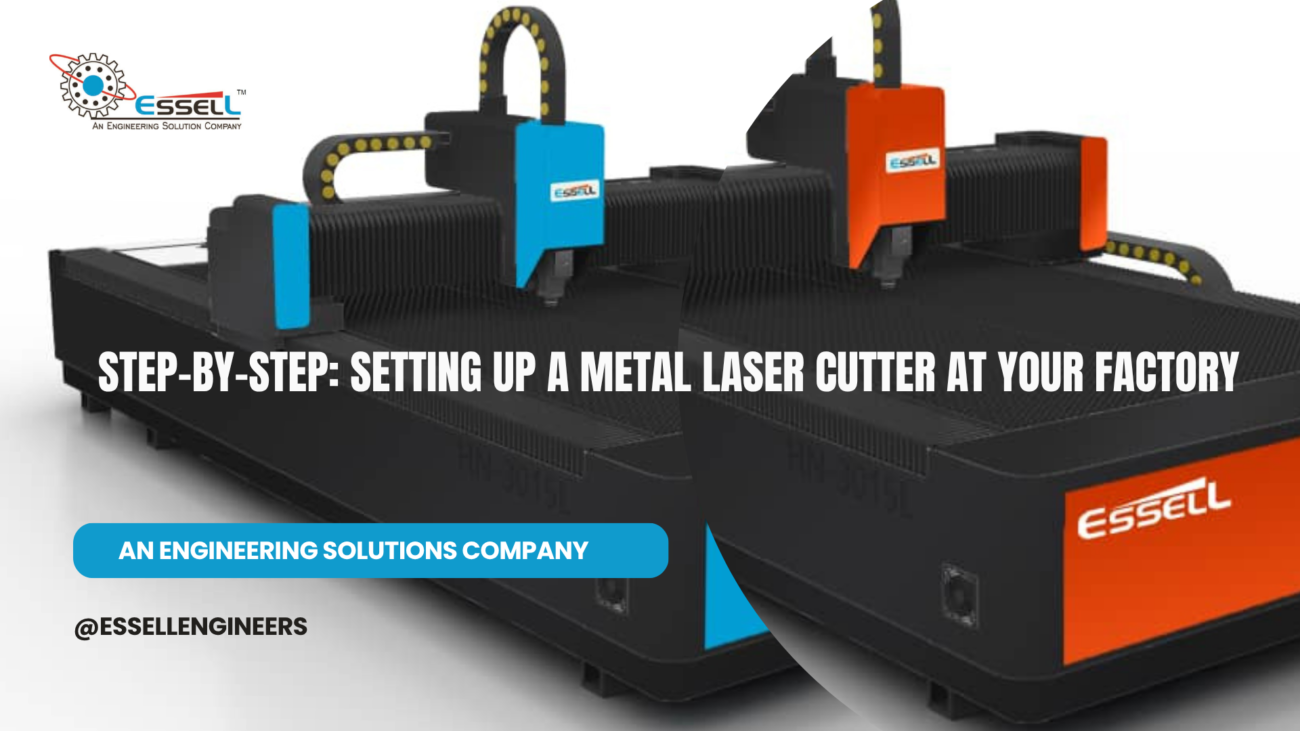
Setting up a metal laser cutter in your factory is a major step toward improving precision, productivity, and overall manufacturing efficiency. As industries continue to adopt advanced fabrication technologies, laser cutting systems have become a core part of modern production environments.
For companies like essell, which specialize in engineering solutions, a well-planned laser cutter setup ensures smooth operations, consistent output quality, and long-term cost benefits. However, successful installation requires more than just purchasing a machine—it involves careful planning, infrastructure readiness, and proper integration.
This guide walks you through a step-by-step process to set up a metal laser cutter effectively in your facility.
Why is a proper setup important?
Installing a laser cutting system without proper preparation can lead to performance issues, safety risks, and operational delays. A structured setup process helps:
- maximize machine efficiency
- reduce downtime and errors
- ensure operator safety
- extend equipment lifespan
A well-executed setup lays the foundation for reliable and scalable production.
Step 1: Assess your production requirements
Before installing a laser cutter, clearly define your production needs.
consider:
- types of metals you will process
- thickness range of materials
- production volume and workload
- level of precision required
Understanding these factors helps you choose the right machine specifications and avoid underperformance or overinvestment.
Step 2: Select the right laser cutting machine
Choosing the appropriate machine is critical for achieving desired results.
Key considerations include:
- laser type (fiber, CO2, etc.)
- power capacity
- cutting speed
- compatibility with materials
For metal fabrication, fiber laser cutters are often preferred due to their efficiency and reliability.
Step 3: Prepare the installation space
Your factory layout plays a major role in machine performance and safety.
ensure the space includes:
- adequate floor area for the machine
- proper ventilation systems
- stable power supply
- controlled temperature conditions
A well-prepared workspace prevents overheating, improves airflow, and supports smooth machine operation.
Step 4: Ensure proper electrical setup
Laser cutting machines require a stable and reliable power source.
important factors to check:
- voltage compatibility,
- dedicated power lines
- Backup systems for power interruptions
Working with qualified electricians ensures safe and efficient electrical installation.
Step 5: Install exhaust and ventilation systems
Laser cutting produces fumes and particles that must be properly managed.
set up:
- industrial exhaust systems
- air filtration units
- dust collection systems
This not only protects workers but also maintains machine performance by preventing contamination.

Step 6: Set up cooling systems
Laser machines generate heat during operation, making cooling systems essential.
Common cooling solutions include:
- water chillers
- air cooling systems
Maintaining optimal temperature levels helps prevent damage and ensures consistent cutting quality.
step 7: machine installation and calibration
Once the infrastructure is ready, the machine can be installed and calibrated.
This process involves:
- aligning optical components
- setting cutting parameters
- testing accuracy and performance
Professional installation ensures the machine operates at its full potential from day one.
step 8: software integration and configuration
Modern laser cutters rely on software for operation and control.
setup includes:
- installing control software
- Integrating with CAD/CAM systems
- Configuring cutting programs
This step enables precise control over designs and ensures seamless production workflows.
step 9: operator training and safety protocols
Even the most advanced machine requires skilled operators.
Training should cover:
- machine operation
- safety procedures
- maintenance basics
Implement safety measures such as protective equipment, emergency stops, and clear operating guidelines to ensure a secure working environment.
Step 10: Testing and trial runs
Before full-scale production, conduct trial runs to verify system performance.
check:
- cutting accuracy
- speed and efficiency
- edge quality
Testing helps identify and resolve any issues before they impact production.
Step 11: Maintenance Planning. Regular
Regular maintenance is essential for long-term performance.
Create a maintenance schedule that includes:
- cleaning optical components
- checking alignment
- inspecting cooling and ventilation systems
A proactive approach reduces unexpected breakdowns and extends machine life.
common challenges and how to overcome them
Setting up a metal laser cutter may involve challenges such as:
- improper alignment leading to poor cut quality
- Inadequate ventilation is causing operational issues
- lack of operator training
These challenges can be avoided with proper planning, expert support, and ongoing monitoring.
benefits of a well-installed laser cutting system
A properly set-up laser cutter delivers significant advantages:
- improved precision and consistency
- faster production cycles
- reduced material waste
- lower operational costs
For Essell, these benefits translate into delivering high-quality engineering solutions and maintaining strong industry competitiveness.
Future-ready setup considerations
as technology evolves, factories must prepare for future advancements.
consider:
- Automation compatibility
- scalability for increased production
- integration with smart manufacturing systems
Planning ahead ensures your setup remains relevant and adaptable.
conclusion
Setting up a metal laser cutter in your factory is a strategic investment that can transform your manufacturing capabilities. By following a structured step-by-step approach—from assessing requirements to training operators—you can ensure a smooth and efficient setup process.
For Essell, combining advanced laser technology with proper implementation practices supports innovation, efficiency, and long-term growth. With the right setup, your laser cutting system becomes a powerful asset, driving productivity and precision.