

The ultimate guide to tube notching techniques and tools
In modern fabrication, achieving precise joints between tubes is critical for both structural strength and visual quality. Tube notching plays a vital role in ensuring that tubes fit together accurately, especially in applications such as frames, pipelines, and industrial assemblies.
A well-executed notch allows for tight joints, better weld quality, and improved overall durability. Understanding the right techniques and tools for tube notching can significantly enhance fabrication efficiency and output quality.
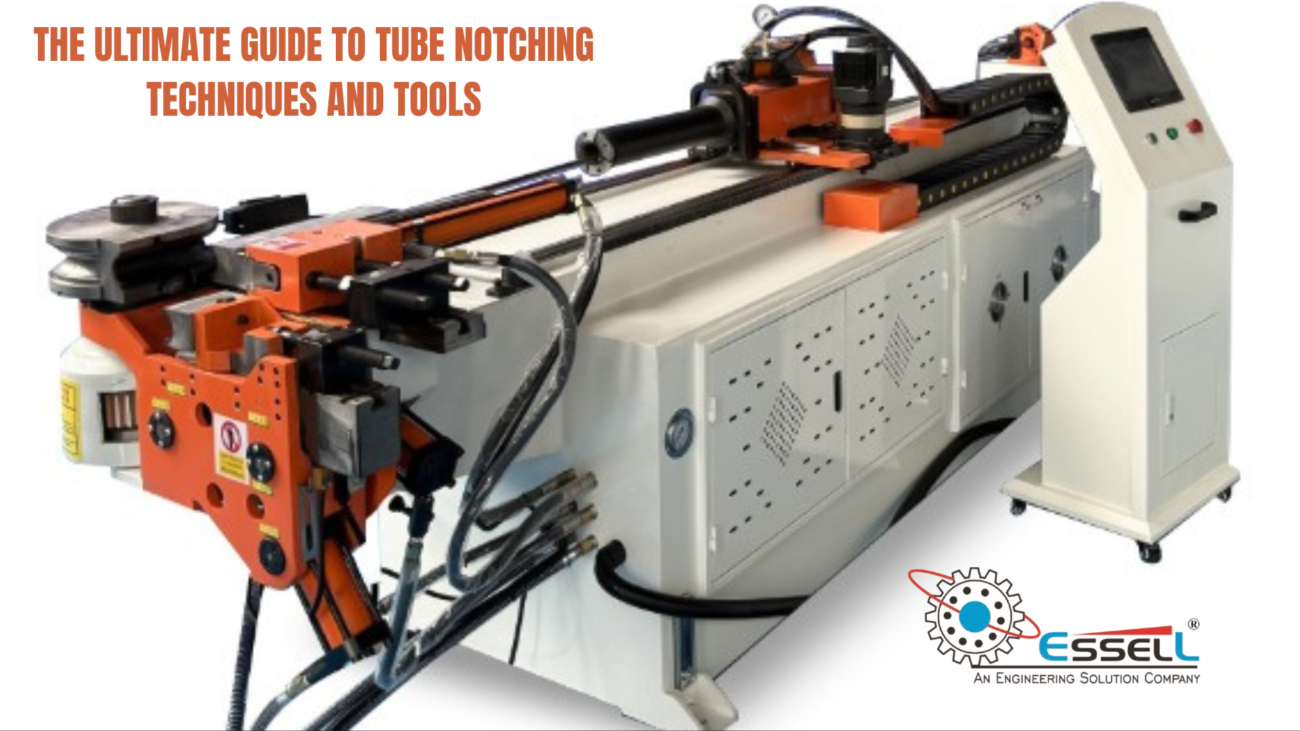
What is tube notching?
Tube notching is the process of cutting a shaped section at the end of a tube so it can fit perfectly against another surface or tube. This process is commonly used when creating joints at angles or intersections.
The goal of tube notching is to achieve a clean and accurate fit that reduces gaps and ensures strong connections during welding or assembly.
Importance of accurate Tube notching
Precision in tube notching directly affects the quality of the final structure. Poorly notched tubes can lead to weak joints, misalignment, and additional rework.
accurate notching provides:
- better joint strength
- improved weld quality
- reduced material wastage
- enhanced structural stability
This makes it an essential step in fabrication processes.
Common tube notching techniques
There are several methods used for tube notching, each suited for different applications and levels of precision.
manual notching
This method involves basic tools and is suitable for small-scale or simple tasks. However, it requires skill and can be time-consuming.
hole saw notching
Hole saws are commonly used for creating round notches. This method is relatively simple and effective for standard applications.
grinding method
Grinders can be used to shape the tube end manually. While flexible, this method may lack precision for complex designs.
cnc notching
CNC-based systems offer high accuracy and repeatability. They are ideal for complex geometries and large-scale production.
Types of tube notching tools
Selecting the right tools is essential for achieving accurate results.
tube notchers
specialized machines designed specifically for notching operations. They provide consistent and precise cuts.
Hole saw attachments
Used with drilling machines, these tools are suitable for basic notching tasks.
Angle grinders
Used for shaping and finishing notches manually.
CNC cutting systems
advanced machines that offer automated and precise notching capabilities.
The choice of tool depends on production requirements and desired accuracy.

Factors to consider when choosing a notching technique:
Choosing the right technique requires evaluating several important factors.
material type
Different materials require different cutting approaches to avoid damage or deformation.
tube diameter and thickness
Larger and thicker tubes may require more powerful tools and machines.
notch angle and design
Complex angles require more advanced techniques, such as CNC notching.
production volume
High-volume production benefits from automated systems for efficiency.
Tips for achieving precise tube notching
To improve accuracy and consistency in tube notching, consider the following tips:
- Measure and mark accurately before cutting
- Use the correct tool for the application
- Maintain consistent cutting speed
- ensure proper alignment of the tube
- Check fitment before final assembly
These practices help reduce errors and improve overall quality.
common challenges in tube notching
Fabricators may face several challenges during tube notching.
These include:
- inaccurate measurements
- uneven cuts
- material deformation
- poor fitment
Addressing these challenges requires proper technique, tools, and experience.
Role of automation in tube notching
Automation is transforming tube notching processes by improving precision and efficiency.
modern systems offer:
- automated cutting programs
- consistent results across batches
- reduced manual effort
- faster production cycles
These advantages make automated notching solutions ideal for industrial applications.
Integration with modern fabrication systems,
tube notching is often part of a larger fabrication process that includes cutting, bending, and welding. Integrating notching with other processes improves workflow efficiency.
Advanced systems allow seamless coordination between different stages, reducing production time and improving overall accuracy.
Why Essell Solutions Enhance Tube Notching Efficiency
At Essell, fabrication solutions are designed to deliver precision, reliability, and efficiency. essell focuses on providing advanced machinery that supports modern manufacturing needs.
essell offers:
- high-precision cutting technology
- robust machine construction
- consistent and accurate performance
- efficient operation
- dependable after-sales support
By combining advanced engineering with practical solutions, essell helps businesses achieve better results in tube notching and overall fabrication.
conclusion
Tube notching is a critical process in fabrication that directly impacts the strength and quality of final assemblies. Understanding the right techniques and tools is essential for achieving accurate and consistent results.
By selecting appropriate methods, using reliable equipment, and following best practices, businesses can improve efficiency and reduce errors. With advanced solutions from essell, achieving precision in tube notching becomes easier and more effective.