

Laser Machine Technology: A Complete Guide for Modern Industrial Manufacturing
Manufacturing industries today demand a combination of precision, speed, and operational consistency. As production standards continue to rise, traditional cutting and shaping methods are gradually being replaced by advanced solutions. Laser machine technology has emerged as a reliable and efficient approach that meets these evolving industrial requirements.
From metal fabrication to customized component production, laser machines are now a key part of modern manufacturing systems. Businesses that adopt this technology gain better control over quality, reduce material loss, and improve overall productivity.
Understanding Laser Machines in Industrial Use
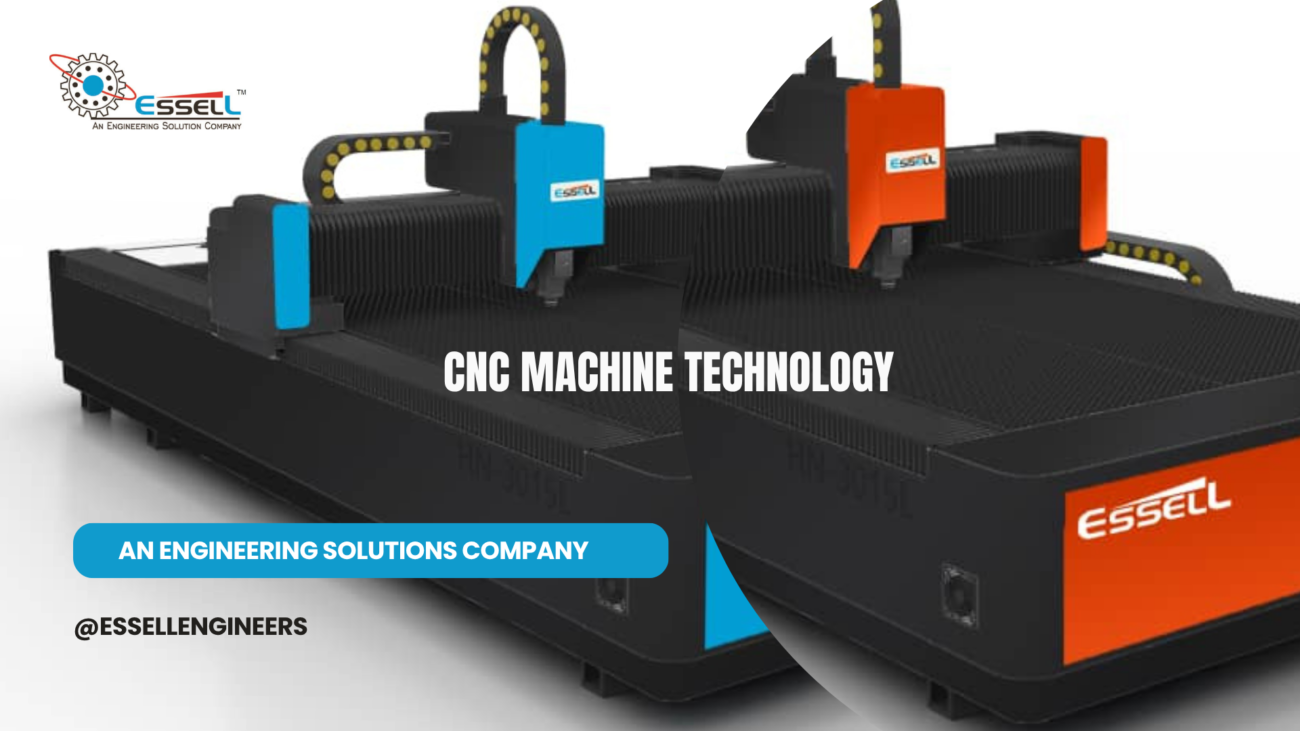
A laser machine is an advanced system that uses a concentrated beam of light energy to cut, engrave, or mark materials. Unlike mechanical tools, the laser does not require physical contact with the workpiece, which reduces wear and ensures high precision.
The process involves directing a focused beam onto the material surface. The intense energy generated at the focal point alters the material by melting, burning, or vaporizing it in a controlled manner. This allows manufacturers to achieve highly accurate shapes and intricate designs.
How Laser Machines Improve Manufacturing Efficiency
One of the strongest advantages of laser machines is their ability to streamline production processes. The integration of digital controls enables automated operation, which minimizes manual errors and improves consistency.
Key efficiency benefits include:
- Faster processing compared to conventional cutting methods
- Reduced need for secondary finishing operations
- Improved repeatability across large production batches
- Lower material wastage through optimized cutting paths
These factors collectively contribute to enhanced operational performance and reduced production costs.
Types of Laser Machines and Their Applications
Different industries require different types of laser machines depending on the materials they work with.
Fiber Laser Machines
They are primarily utilized in industrial operations focused on the precision processing of metallic materials. They offer high efficiency, faster processing speeds, and reliable performance when working with materials such as steel, aluminum, and copper.
CO2 Laser Machines
These systems are suitable for non-metal materials like wood, plastic, acrylic, and glass. They are commonly used in industries focused on design, signage, and decorative applications.
Hybrid and Specialized Systems
Some advanced laser machines are designed for specific industrial requirements, combining features to handle unique production challenges.
Choosing the right type depends on the nature of your operations and long-term business goals.

Key Technical Advantages of Laser Machines
Laser machines provide several technical benefits that make them a preferred choice for modern industries.
Precision Control
The focused beam allows for highly accurate cutting, making it possible to produce detailed components with tight tolerances.
Non-Contact Processing
Since there is no direct tool-to-material contact, the risk of deformation is minimized, especially when working with delicate or thin materials.
Flexibility in Design
Laser systems can handle complex geometries that are difficult to achieve with traditional tools.
Consistent Output Quality
Once programmed, the machine can replicate the same design repeatedly without variation.
Important Factors to Evaluate Before Investing
Selecting a laser machine requires careful consideration of several technical and operational aspects.
Material Compatibility
Ensure the machine is capable of processing the materials used in your production line.
Power and Performance
The machine’s power rating determines how efficiently it can cut through different thickness levels.
Software Integration
A system that works smoothly with your existing design tools simplifies workflow and reduces setup time.
Machine Build and Stability
A rigid structure ensures long-term accuracy and reliable performance.
Maintenance Requirements
Machines that require less frequent servicing help maintain consistent production schedules.
Role of Automation in Laser Machine Systems
Automation is transforming how laser machines operate in industrial environments. Modern systems are equipped with intelligent controls that enhance productivity and efficiency.
Automation features may include:
- Programmed cutting sequences
- Real-time monitoring of operations
- Automatic material handling systems
- Error detection and correction
These capabilities reduce dependency on manual processes and allow manufacturers to scale operations efficiently.
Cost Efficiency and Long-Term Value
Investing in a laser machine is not just about initial cost—it is about long-term value. Businesses benefit from improved efficiency, reduced waste, and lower operational expenses over time.
A well-selected machine contributes to:
- Faster return on investment
- Reduced labor costs
- Improved production output
- Enhanced product quality
This makes laser machines a strategic asset for businesses aiming for sustainable growth.
Why Choose Essell for Laser Machine Solutions
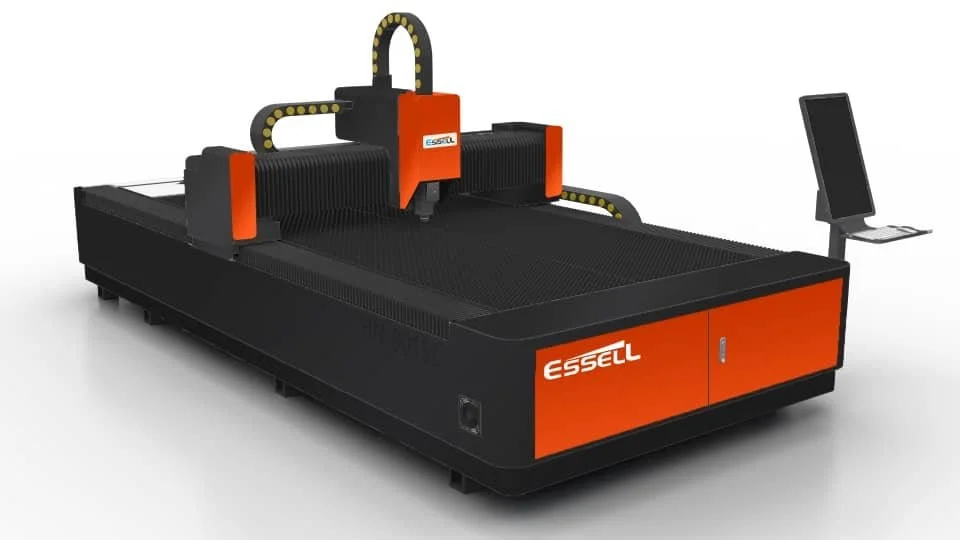
At Essell.co, laser machines are designed with a strong focus on performance, durability, and advanced technology. Each system is engineered to meet the practical needs of modern manufacturing industries.
Essell offers:
- High-performance laser cutting systems
- Precision-engineered machine structures
- Reliable and consistent output
- Strong technical support and service
- Customized solutions for various industrial applications
By combining innovation with customer-centric design, Essell helps businesses achieve higher productivity and operational efficiency.
Conclusion
Laser machine technology has become an essential part of modern industrial manufacturing. Its ability to deliver precise, efficient, and consistent results makes it a valuable investment for businesses across multiple sectors.
By understanding how these machines work and evaluating key factors before purchasing, companies can make informed decisions that support long-term success. With the right partner like Essell, adopting advanced laser technology becomes a seamless and rewarding process.